
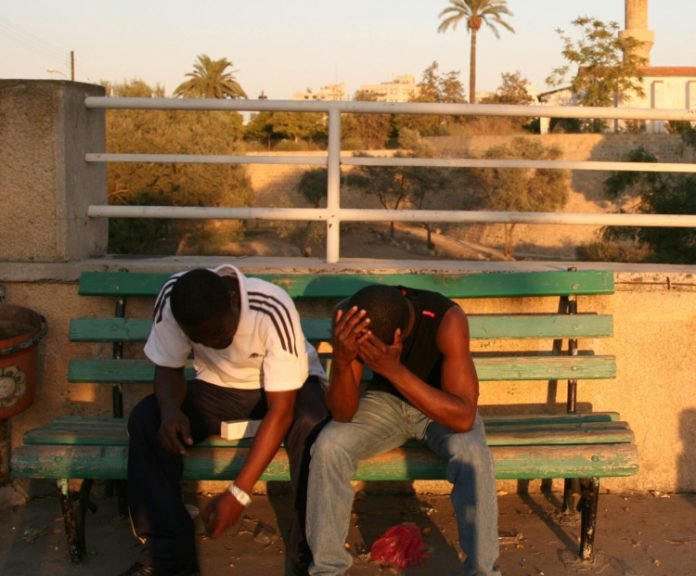
If school is supposed to prepare you for life, why does it feel like it is quietly breaking so many people in the process?
Nigeria is sitting on a mental health crisis that is hiding in plain sight, especially among students. According to a recent report by the News Agency of Nigeria, about one in four young Nigerians is dealing with a mental health challenge. The real issue is not just the numbers. It is the silence around them.
Globally, mental health conditions affect one in eight people, with anxiety and depression leading the charge among young people. But in Nigeria, the situation hits differently. Stigma is loud, support systems are quiet, and access to care is painfully limited.
Being a Nigerian student is already a high pressure sport. Academic competition, financial stress, unstable learning environments, and family expectations all collide at once. Research shows that between 10 and 37 percent of Nigerian adolescents live with mental health disorders, while university students report rising levels of anxiety, depression, and burnout.
And when help is needed, it is barely there. Nigeria has only a few hundred psychiatrists serving a population of over 200 million people. That gap means most students are left to self diagnose, self cope, and sometimes self destruct.
What makes this even more frustrating is that students actually want help. Studies show that over 90 percent are willing to use mental health resources if they are accessible. The demand is not the problem. The system is. This is bigger than telling people to “check on your friends.” Schools need real counselling systems. Policies need funding. Conversations need to move from whispers to mainstream.
Because this generation is not lazy or dramatic. It is overwhelmed, under supported, and still expected to function like nothing is wrong. And maybe the real crisis is not that students are struggling. It is that nobody built a system to catch them when they fall.
